Heli Treks in Nepal: Choosing Your Walk-In, Fly-Out Trek
A heli trek lets you walk the beautiful part and fly over the repetitive part. Here's how our four walk-in, fly-out treks compare, and how to pick the one that suits your legs and your diary.

Most Himalayan treks are there-and-back. You spend days climbing towards one great viewpoint, stand there for a morning, then turn round and walk the very same path down, this time with tired knees and nothing new to look at. A heli trek skips the return leg. You still earn the view on your own two feet, and a helicopter collects you from the top end and has you back in Kathmandu or Pokhara the same morning.
Our four heli treks side by side
Langtang Valley: 8 days, highest point 4,773 m
Graded moderate. Three days of walking from Syabrubesi up to Kyanjin Gompa (3,870 m), with an optional early climb of Kyanjin Ri, then a 40-minute flight to Kathmandu. From US$1,165 per person. The one to choose if you're short of time or trying a trek for the first time. See the Langtang heli trek.
Annapurna Base Camp: 10 days, highest point 4,130 m
Graded moderate, with plenty of stone staircases. Four days of walking from Nayapul through Ghandruk and Chhomrong to the Sanctuary, then a twenty-minute flight down to Pokhara. From US$1,248 per person. Terraced farmland, forest and then a glacier basin, all in under a week on foot. See the Annapurna heli trek.
Gokyo Lakes: 11 days, highest point 5,357 m
Graded strenuous. Six days of walking via Namche, Dole and Machhermo to the turquoise lakes, then roughly an hour's flight to Kathmandu. From US$2,574 per person. Quieter trails than the base camp route, and four of the world's 8,000 m peaks in view from Gokyo Ri. See the Gokyo heli trek.
Everest Base Camp: 11 days, highest point 5,644 m
Graded strenuous. Seven days of walking through Namche, Tengboche, Dingboche and Lobuche to Gorak Shep, base camp and Kala Patthar, then a helicopter all the way back to Kathmandu. Price on request: the season, your choice of lodges and the number of people sharing the helicopter all change it. See the Everest heli trek.
How to choose
- Only have a week? Langtang. You start walking on day four and you're back in Kathmandu on day seven.
- New to altitude? Langtang or Annapurna Base Camp. Neither has you sleeping higher than about 4,130 m, and the climb is spread over several days.
- Set on seeing Everest? The Everest Base Camp trek, or Gokyo if you'd trade the crowds for lakes and a wider panorama.
- Want to finish somewhere relaxing? Annapurna Base Camp lands you in Pokhara, so you can spend a lazy day or two by the lake afterwards.
None of these treks needs climbing skills. What they do need is the stamina to walk for five or six hours a day, several days in a row, so a bit of hill walking before you come will make the trip far more enjoyable.
The morning you fly out
Helicopters fly in the calm hours after sunrise, so your last morning on the trail starts early. On the Everest trek that means Kala Patthar at dawn; on the Annapurna trek it means watching the first light reach Annapurna I. Then it's breakfast, a last look round, and the sound of rotors coming up the valley.
Mountain weather has the final say. If cloud is sitting in the valley, the flight waits until it's safe, so try not to book your flight home for the very next day. Leaving a free day in the capital before you fly home takes the pressure off everyone.
What's included
Each heli trek includes your lodges and meals on the trail, a licensed guide, porters and your seat on the helicopter. Getting to the trailhead is covered too: the bus to Pokhara and back for Annapurna, a private car to Syabrubesi for Langtang, and the Lukla flight for Gokyo and Everest. Each tour page lists exactly what's in and what isn't.
Insurance
You'll need travel insurance that includes helicopter evacuation, and for the Everest and Gokyo treks it must cover heights up to 6,000 m. Our page on helicopter rescue in Nepal explains what to check in your policy.
Questions
What happens if someone feels unwell higher up?
Your guide watches for signs of altitude sickness every day. If anyone needs to get down quickly, a helicopter can collect them before the planned day, and that's the situation your evacuation insurance exists to pay for.
Are heli treks suitable for first-time trekkers?
Langtang and Annapurna Base Camp are a good first trek if you're happy walking five or six hours a day with some climbing. Everest and Gokyo go higher and are tougher, so they suit people with a little trekking experience.
Can we start on a different date from the one listed?
Yes. Tell us your preferred start date and group size, and we'll check guides, lodges and helicopter seats for that week.
Tours to consider
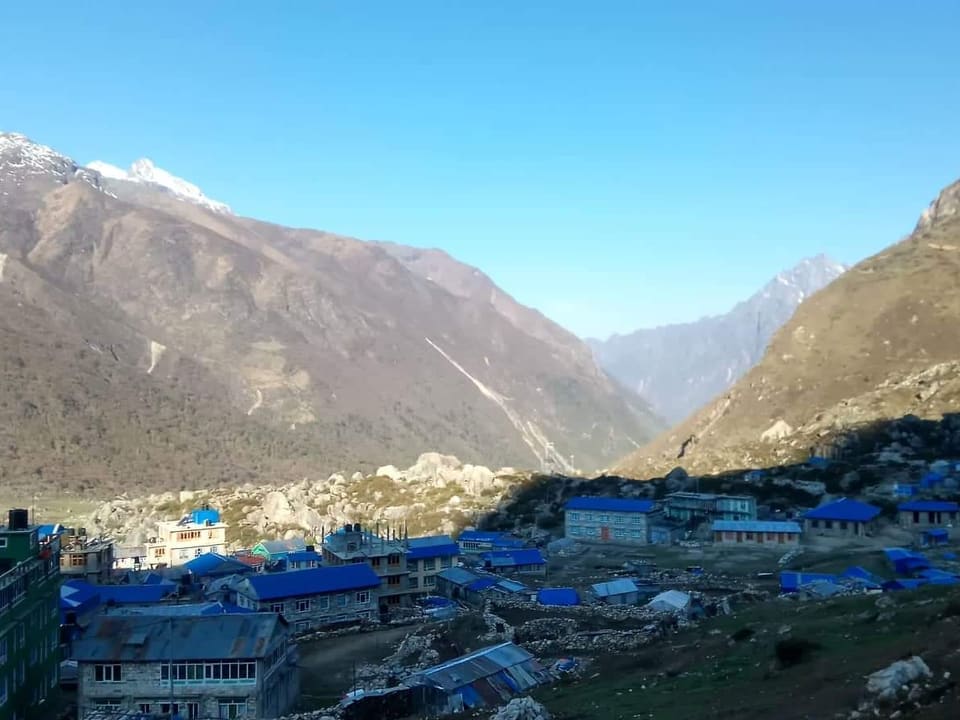
4,773 mKyanjin Ri
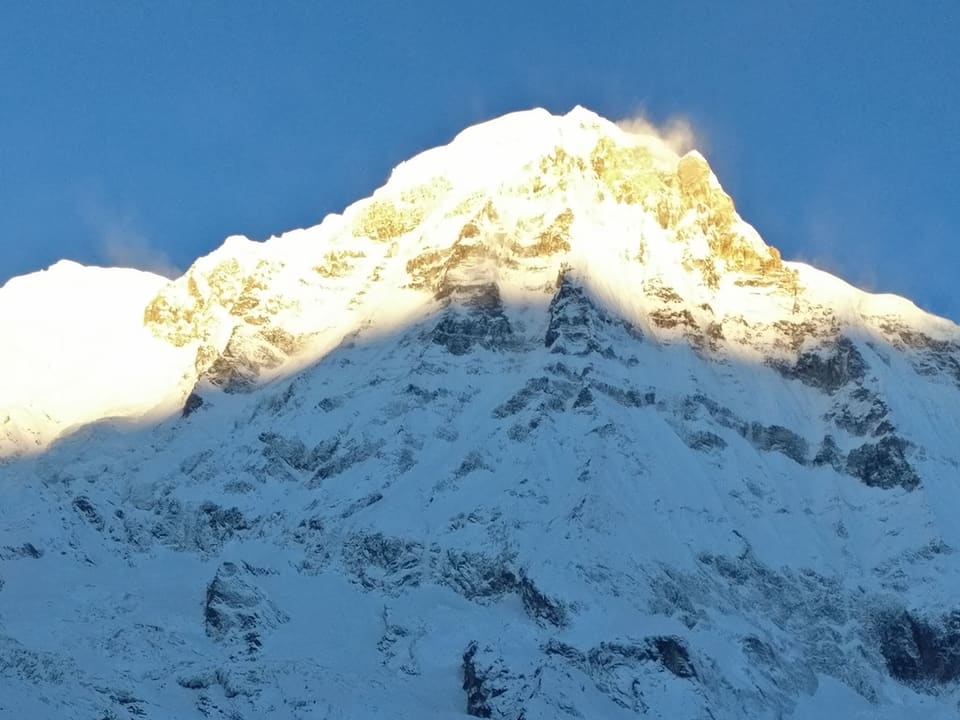
4,130 mAnnapurna Base Camp
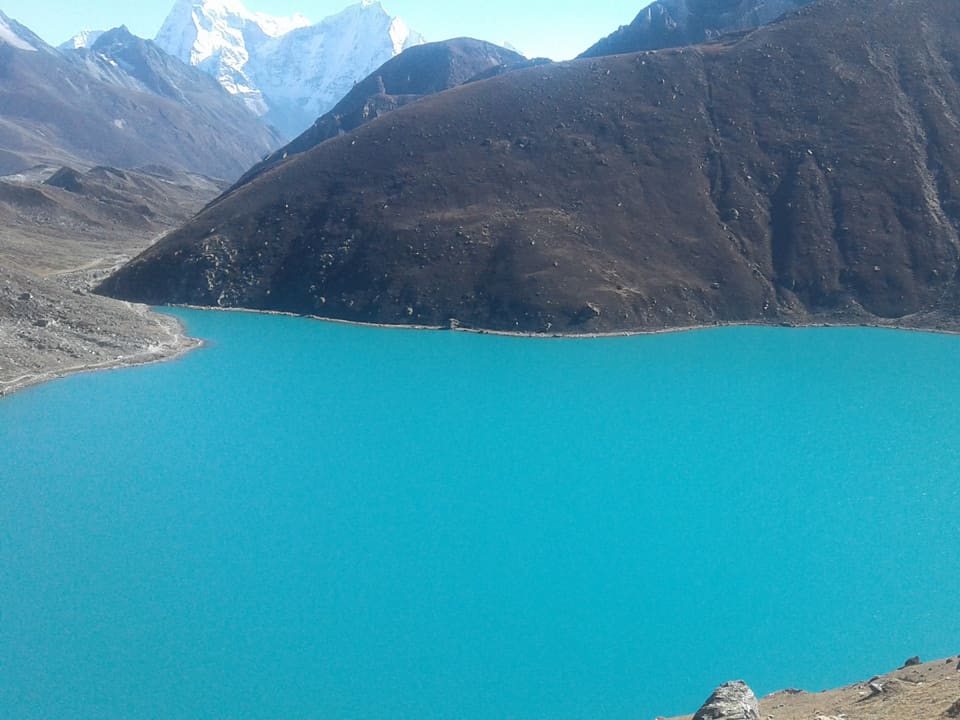
5,357 mGokyo Ri


