Helicopter Rescue and Evacuation in Nepal
Altitude sickness, an injury or a sudden illness on a trek all have the same cure: getting down, fast. We arrange helicopter evacuations from every trekking region in Nepal. You can call us day or night, and we fly at first light.

Most evacuations in the Nepal Himalaya are for acute mountain sickness, which can turn into life-threatening swelling of the lungs (HAPE) or the brain (HACE) within hours. The treatment is to go down. When walking down isn't an option, a helicopter is the quickest way to a hospital in Kathmandu or Pokhara.
If you need a rescue now
Call or WhatsApp +977 984-3607524, at any hour. If you can, have this ready:
- The patient's name, age and nationality, plus a photo of their passport page.
- Exactly where you are: the village or lodge name, and GPS coordinates if a phone can show them.
- What's wrong: the symptoms, when they started, and whether the patient can walk.
- Insurance details: the company's name, the policy number and its 24-hour assistance number.
- A local contact: your guide's or the lodge owner's phone number.
Mountain helicopters only fly in daylight, and only when the pilot can trust the visibility. If you call at night, we plan the flight so the helicopter can take off at first light, usually around 6:00. In the meantime, follow your guide's advice: keep the patient warm, give oxygen if the lodge has it, and help them walk lower if they still can.
Where we fly from
We arrange evacuations from all the main trekking and climbing areas:
Everest region (Khumbu)
Syangboche (3,780 m), Namche Bazaar (3,440 m), Tengboche and Pheriche (4,371 m, home to a Himalayan Rescue Association aid post), Dingboche, Lobuche (4,910 m), Gorak Shep (5,164 m), Machhermo (4,470 m, which also has an aid post) and Gokyo (4,790 m). At Everest Base Camp (5,364 m) and on the climbing routes, pickups depend on how much weight the helicopter can lift that day.
Annapurna
Annapurna Base Camp and Machhapuchhre Base Camp, Manang and the approach to Thorong La, Muktinath and the Mustang side.
Langtang
Kyanjin Gompa, Langtang village, and Gosaikunda on the Helambu route.
Manaslu, Kanchenjunga and Dolpo
Samagaon and the Larkya La side of Manaslu; Ghunsa and the base camps of Kanchenjunga; Dunai, Phoksundo Lake and Shey in Dolpo. These are long flights from Kathmandu, often with a stop to refuel, so the earlier you call, the better.
How insurance works
Rescue flights are expensive, so before you set off, check that your policy covers helicopter evacuation up to the highest altitude you'll reach (6,000 m for most treks). When the call comes in, we contact your insurer's assistance company to confirm your cover, and most insurers then pay us directly. If they can't be reached quickly and the patient is in danger, we'll talk it through with you and work out how to get the flight going while confirmation follows.
A word of advice, too: never pay a rescue bill you didn't agree to. Before the helicopter lifts off, ask for the flight time, the route and the hospital.
Where patients are taken
Usually to a private hospital in Kathmandu that treats altitude illness and injuries, or to Pokhara for the Annapurna region. The helicopter lands at Kathmandu airport, where an ambulance will be waiting.
Preventing the call
Of course, the best rescue is the one you never need.
- Climb slowly: above 3,000 m, sleep no more than 300 to 500 m higher each night, and take a rest day for every 1,000 m you climb.
- Know the warning signs: a headache that doesn't ease with rest, vomiting, breathlessness at rest, confusion or stumbling.
- Never go higher with symptoms. Head down at the first serious sign.
- Trek with a licensed guide, and keep a charged phone with the lodge numbers saved.
Questions
Can a helicopter come in bad weather?
Only when the pilot can see well enough to fly and land safely. In cloud or snow the flight has to wait until it clears, sometimes until the next morning, so your guide may need to help the patient walk down in the meantime.
Can friends fly out with the patient?
Usually one companion can come along, if the weight allows at that altitude. Everyone else carries on with the trek or walks down with the guide.
Do you also help after the rescue?
Yes. We can book hotel nights, help you change your flights and pass medical reports on to your insurer.
Tours to consider
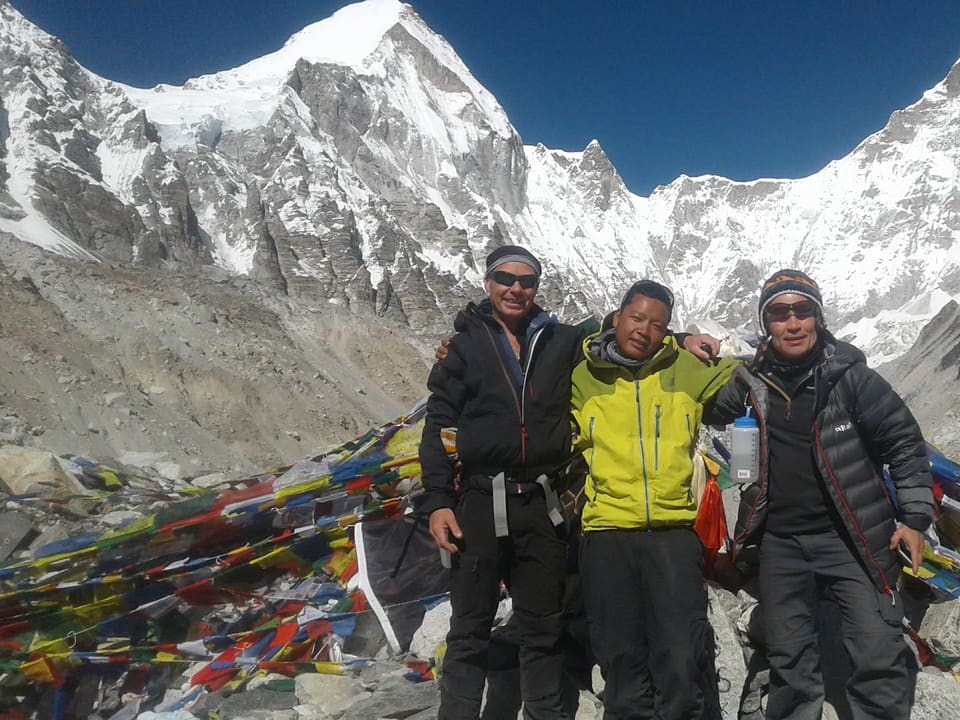
5,644 mKala Patthar
11 days, Lukla start
Everest Base Camp Trek with Helicopter Return
Walk up to Everest Base Camp and Kala Patthar on the classic route through Namche and Tengboche, then fly back from Gorak Shep instead of spending three days walking down. 11 days from Kathmandu.
Price on request
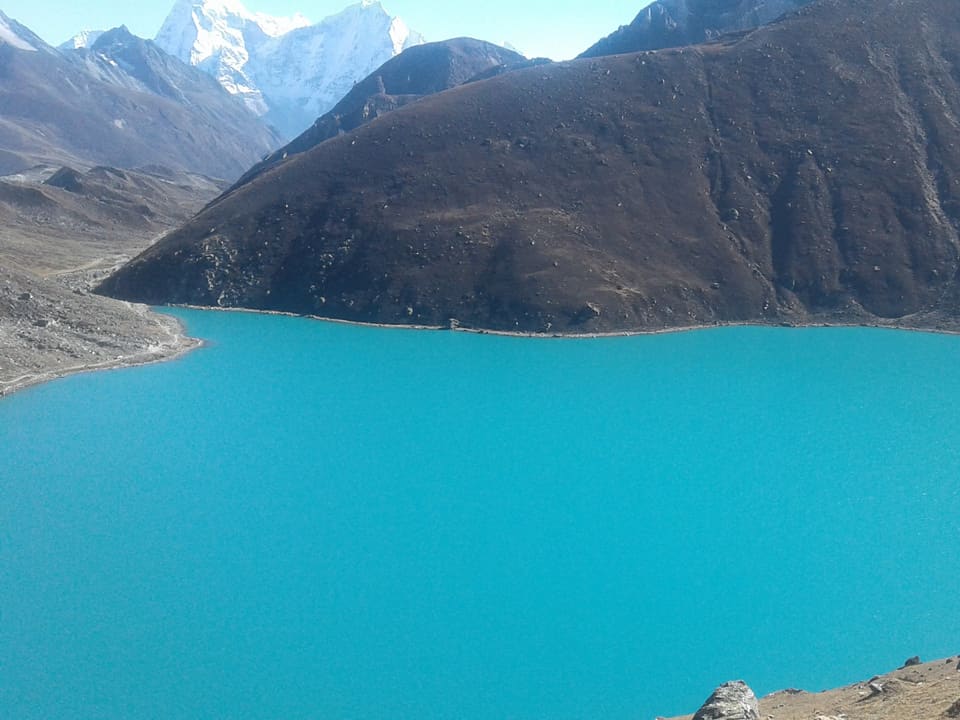
5,357 mGokyo Ri
11 days, Lukla start
Gokyo Lakes Trek with Helicopter Return
Trek past Namche to the turquoise Gokyo lakes and climb Gokyo Ri for a view of four 8,000 m peaks, then fly home by helicopter from the lakeshore. A quieter alternative to the base camp route.
from US$2,574 per person
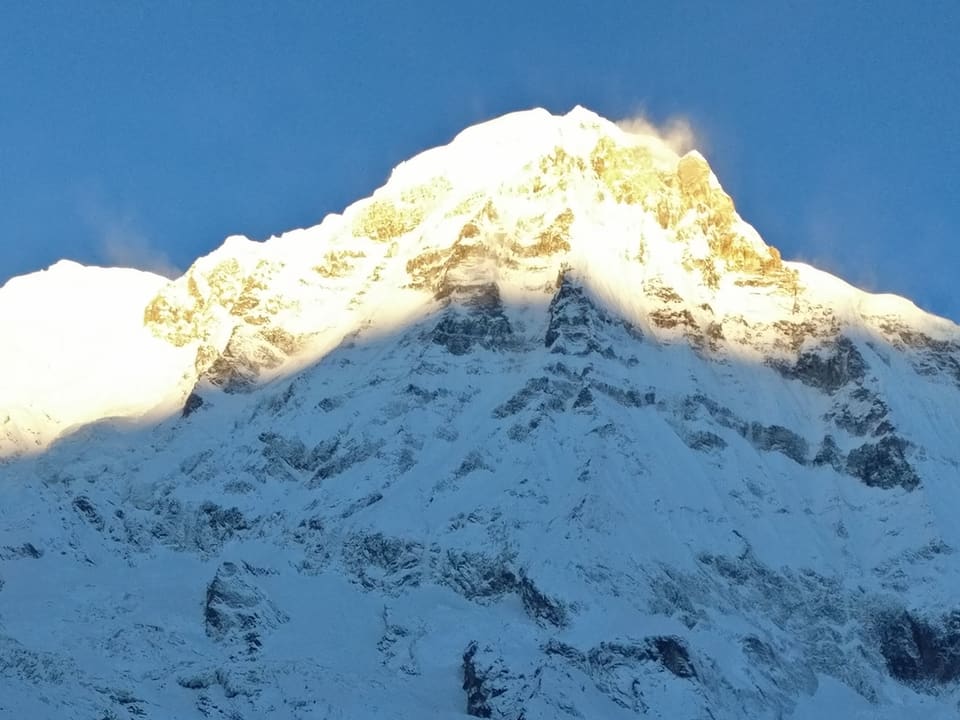
4,130 mAnnapurna Base Camp
10 days, Pokhara start
Annapurna Base Camp Trek with Helicopter Return
Walk through Gurung villages and rhododendron forest into the Annapurna Sanctuary, wake up at 4,130 m beneath Annapurna I, then fly out to Pokhara instead of walking four days back. 10 days from Kathmandu.
from US$1,248 per person


